
Fire Escape Welding Services in NYC
Structural Fire Escape Welding for NYC Building Safety and Compliance
Fire escape welding is one of the most critical structural repair services for buildings in New York City. Over time, these systems develop stress fractures, weakened joints, corroded steel connections, and unstable load-bearing sections caused by weather exposure, vibration, aging steel, and long-term structural fatigue. Under NYC DOB and FDNY requirements, these systems are legally classified as emergency egress systems, meaning every welded connection must remain structurally capable of supporting occupant evacuation during an emergency.
When weld failures develop, the integrity of the entire system can become compromised. Even small fractures in load-bearing joints can spread under pressure, creating instability across stairs, platforms, railings, and support brackets.
Professional welding restores structural continuity, reinforces weakened steel, and helps buildings remain compliant with NYC safety regulations.
Why Fire Escape Welding Becomes Necessary in NYC Buildings?
Most systems across NYC were installed decades ago. Many are attached to pre-war masonry buildings where steel has endured continuous exposure to rain, freeze-thaw cycles, rooftop drainage overflow, humidity, pollution, and corrosion buildup for years.
Over time, this exposure weakens:
- Welded joints
- Steel brackets
- Stair connections
- Platform supports
- Anchor attachment areas
- Load-bearing structural sections
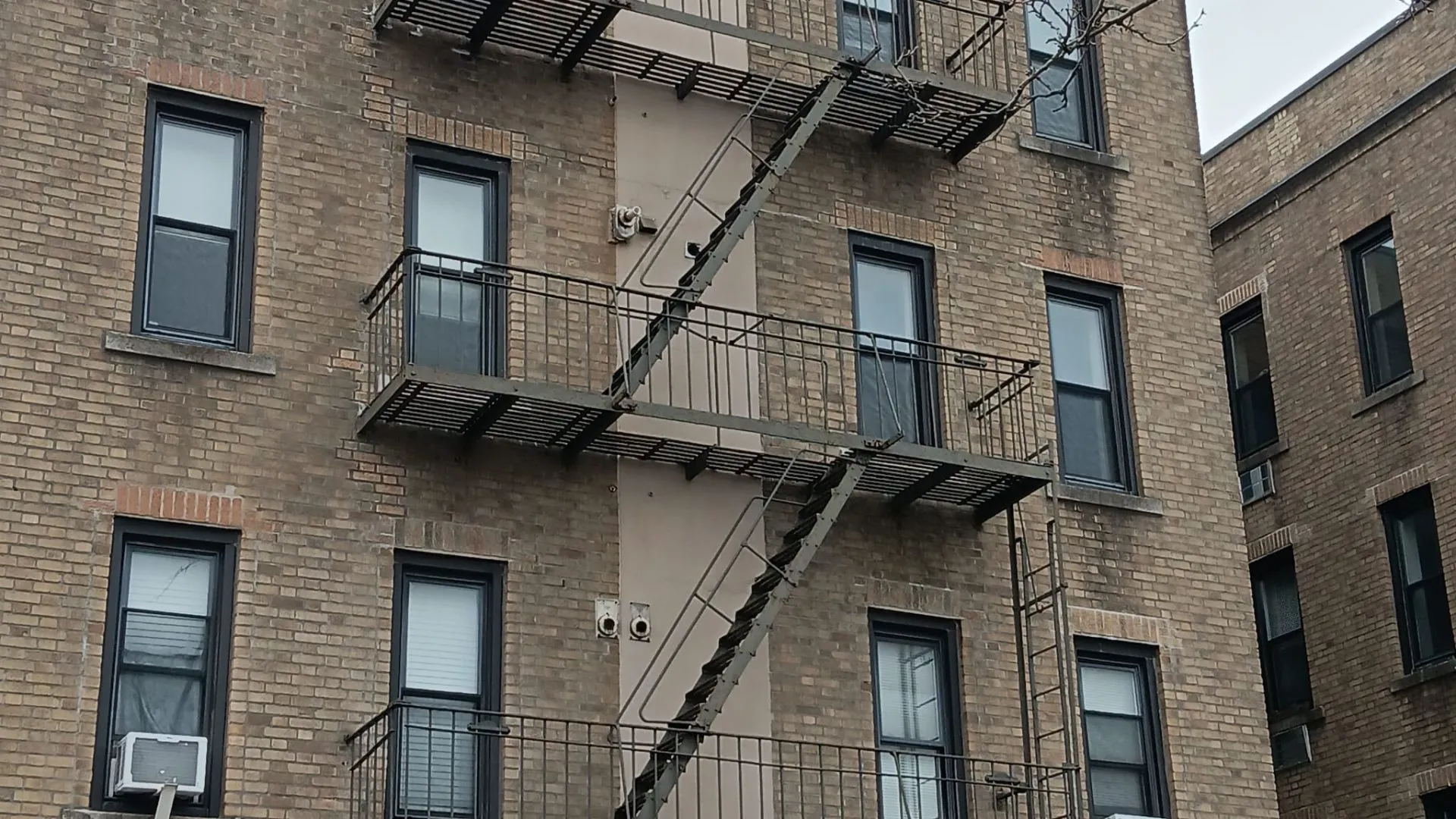
In high-density areas, vibration from traffic, subways, and building movement further accelerates fatigue inside welded joints.
Many property owners do not realize the seriousness of welding deterioration because the structure may still appear stable visually. However, during emergency load conditions, weakened welds are often the first point of failure.
Common Fire Escape Welding Problems We Repair
Cracked Structural Welds
Stress fractures commonly appear where stairs connect to platforms or where steel supports carry repeated weight loads. These cracks gradually expand over time and weaken overall structural performance.
Rust-Damaged Steel Connections
Loose or Failing Brackets
Platform and Stair Reinforcement
Emergency Structural Stabilization
Some NYC buildings require immediate welding intervention after DOB inspections identify unsafe conditions or structural instability. In these situations, rapid corrective welding may be necessary to prevent further enforcement action.
Fire Escape Welding and NYC Compliance Requirements
NYC DOB inspectors evaluate whether systems can safely function under real evacuation conditions. Welding failures are considered serious structural risks because they directly affect load stability.
Common compliance triggers include:
- Fractured steel joints
- Unstable stair movement
- Weak load-bearing connections
- Corrosion-related separation of steel members
- Structural instability during inspection
If unsafe conditions are identified, property owners may receive:
- DOB violations
- Corrective repair orders
- Re-inspection requirements
- Financial penalties
- Escalating enforcement action for delayed correction
In difficult situations, unsafe systems may be classified as hazardous conditions requiring immediate repair.
Fire Escape Welding for Pre-War NYC Buildings
Pre-war buildings present unique welding challenges because many systems were built using older steel fabrication methods that differ significantly from modern structural standards.
In these buildings, hidden corrosion is common around:

- Embedded wall anchors
- Original riveted connections
- Stair attachment points
- Older welded reinforcements were added decades later
Proper welding work requires understanding how older systems distribute load stress across aging steel sections without creating additional structural imbalance.
Welding Work for Mixed-Use and Multifamily Buildings
Mixed-use buildings often place greater stress on fire escape systems because of higher occupancy loads and increased usage frequency.
Commercial activity, rooftop access, and heavier foot traffic can accelerate the deterioration of:
- Stair welds
- Support braces
- Platform connections
- Structural brackets
These buildings often require both reinforcement welding and broader structural stabilization work to maintain compliance.
Our Process
Emergency Structural Stabilization
We begin by evaluating the full condition of the fire escape system, identifying weakened welds, rust penetration, steel fatigue, and structural movement.
Damage Isolation and Safety Planning
Before welding begins, unstable sections are isolated, and reinforcement planning is completed to ensure safe structural correction.
Precision Welding and Reinforcement
We perform structural welding to restore steel continuity, reinforce weakened joints, and stabilize compromised load-bearing areas.
Final Structural Review
Once welding work is completed, the system is reviewed for stability, safety performance, and compliance readiness under NYC expectations.
Why Professional Fire Escape Welding Matters?
Improper welding can create additional structural stress rather than solve the original problem. Poor reinforcement techniques often trap moisture inside steel joints, accelerating future corrosion.
Professional welding ensures:
- Proper load transfer across structural sections
- Stable reinforcement without over-stressing old steel
- Safer emergency performance
- Better long-term durability
- Improved compliance readiness for DOB inspections
In NYC, welding work on these systems is structural life-safety work tied directly to emergency evacuation performance.
Service Areas Across New York City
We provide services across:
Project Gallery
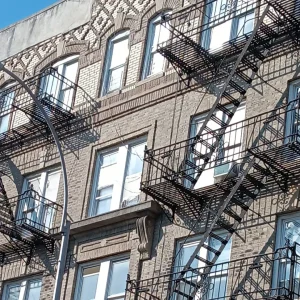
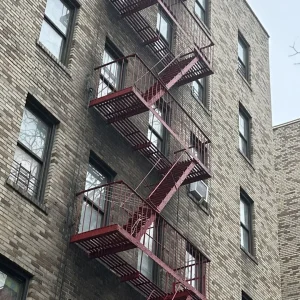
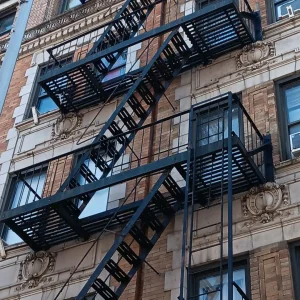
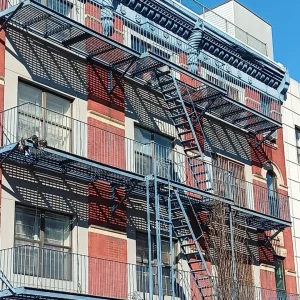
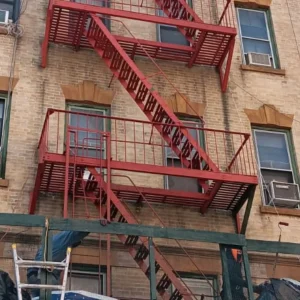
Our gallery showcases real work including corrosion remediation, structural reinforcement, hardware replacement, and full system rehabilitation across residential and commercial buildings.
Frequently Asked Questions
Most weld failures are caused by long-term corrosion, environmental exposure, vibration stress, and aging steel fatigue that weakens structural joints over time.
Yes. Small weld fractures can spread under load pressure and compromise structural stability during emergency evacuation conditions.
Yes. Unsafe welds are commonly cited during inspections because they directly affect system safety and structural integrity.
In many cases, yes. However, if corrosion has severely weakened the steel itself, additional reinforcement or restoration work may also be required.
That depends on the overall condition of the system. Some systems only require localized welding, while others need broader repair or restoration.
Contact Us for Fire Escape Welding in NYC
If your system shows cracked joints, unstable stairs, rusted connections, or structural movement, early welding intervention can prevent larger safety risks and costly DOB enforcement issues.